

At public meetings in Burnet and Waco held June 3-4, Texas Department of Parks and Wildlife staff outlined updated plans for the development of Post Oak Ridge State Park.
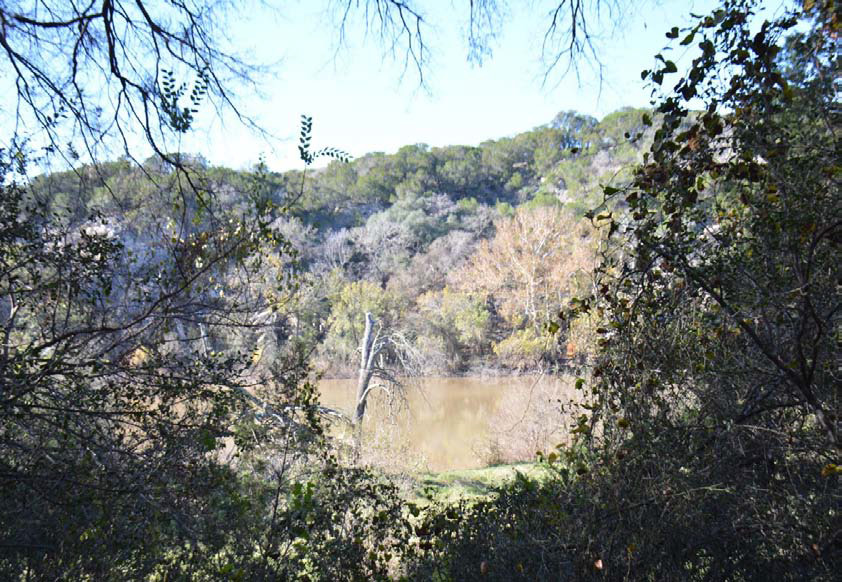
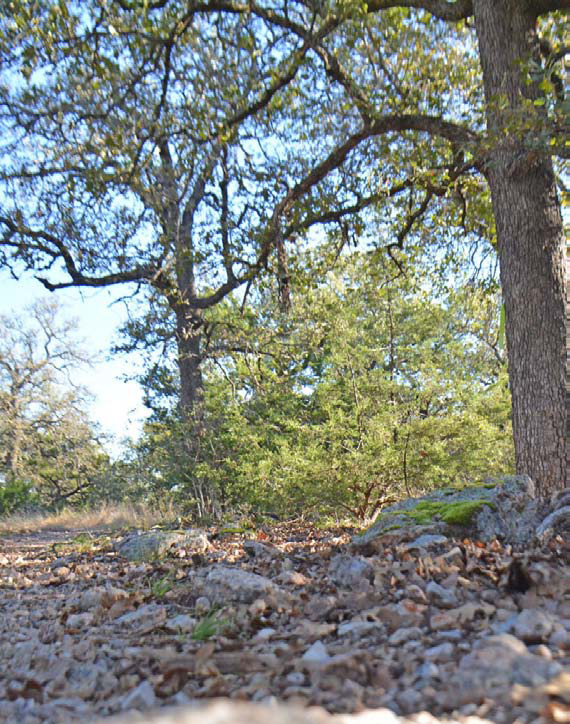
The park, which spans 3,118 acres along the Colorado River in the western part of Lampasas County and the northern part of Burnet County, is one of four new state park projects being developed by the Centennial Parks Conservation Fund endowment.
An 18-minute presentation on plans for the new state park is available online along with a questionnaire for public feedback. The deadline to provide comments is July 6.
Maria Malone, Centennial Park planner, provided introductory comments at last week’s meetings. She said facilitated day use is allowed currently at Post Oak Ridge State Park, which includes public hunts, guided tours and special events.
By September 2026, TPWD plans to offer extended public day use at the park, with trailhead development, primitive restroom facilities, two new trails and some developed parking areas available. Visitors to the park should be able to make reservations online, receive a gate code and “start enjoying the property,” Malone said.
Phase II of the public use plan should be implemented by March 2029. By that time, the state park should be fully open with roads, utilities, overnight facilities and other amenities.
Primary access to Post Oak Ridge State Park will be via Burnet County Road 105 at the southeast corner of the park.
Andrew Duggan, a principal with the Studio Outside landscape firm that is working with TPWD on the project, said his goal is to ensure site development doesn’t damage the sensitive ecologies that make Post Oak Ridge State Park so special.
During the initial set of public meetings TPWD held in Lampasas and Austin in January on the new state park, comments were solicited from area residents on what amenities and activities they wanted to see developed. Over 1,700 responses were received, Duggan said.
That initial input showed the top three priorities for potential Post Oak Ridge users are hiking, mountain biking and river recreation. Duggan added that the top three overnight lodging styles sought at the state park are drive-up tent sites, cabins and RV sites. Those priorities have formed the basis of the updated public use plan for the park.
Duggan said the primary points of interest and places to explore at the state park are Burnt Canyon Springs, Coffin Canyon, Post Oak Falls and the Colorado River.
He noted that although there had been some public interest in adding equestrian trails to the site, the steep terrain at Post Oak Ridge State Park and its sensitive natural areas and limited space make it unsuited for safe horseback utilization. TPWD is not planning to offer this opportunity at the park.
What is expected to be available at the 48-month timeline are approximately 20-25 miles of trail planned for hiking. Of these, 5-10 miles will be shared use for hiking and mountain biking. River recreation and tent campsites also are planned.
Proposed river overlooks are in the design phase now. The first trail overlook will offer views of Post Oak Falls. A second overlook will be constructed high above the Colorado River and is to be named River Pavilion. Extended views up and down the Colorado River will be available, as well as views across the river to Colorado Bend State Park.
To view the video presentation and submit comments via the questionnaire, go to the tpwd.texas.gov website, and then search for Post Oak Ridge State -- Park Development.
