Extension Service specialist outlines physical, mechanical and biological controls
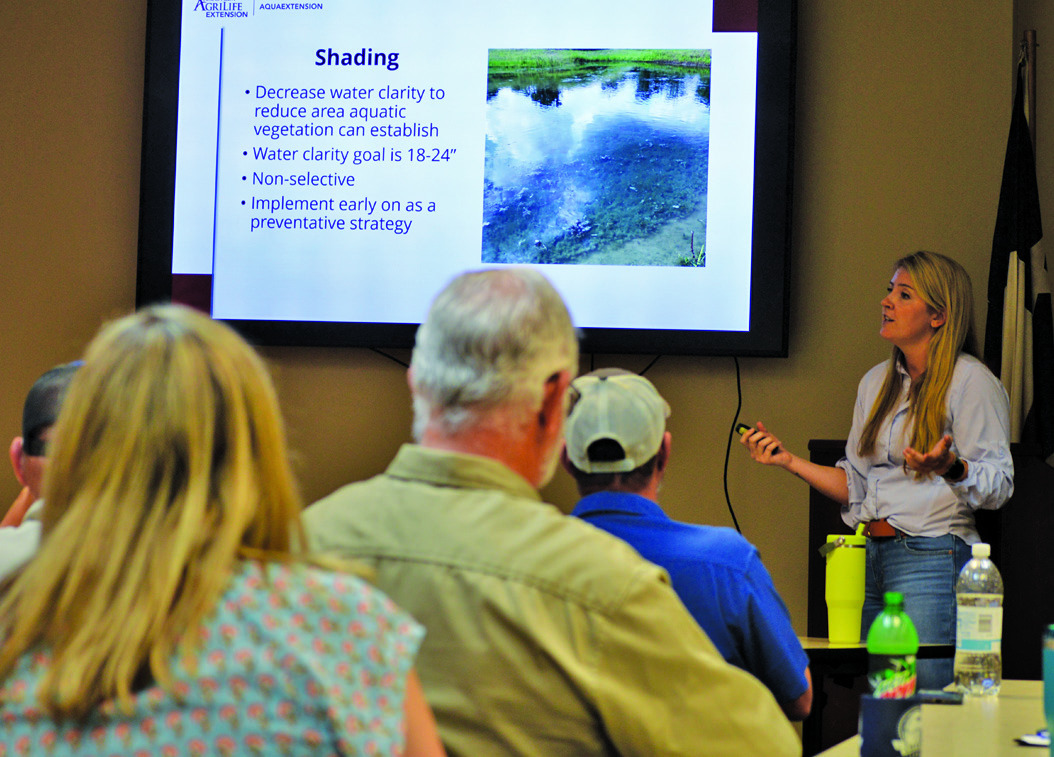
Shading is effective in preventing aquatic vegetation from taking over a pond. The more the sun is able to penetrate to the pond bottom, the more algae and invasive plants will grow, said Brittany Chesser, an aquatic vegetation management program specialist. She addressed a group of landowners at a Texas A&M Extension Service seminar earlier in March. COURTESY PHOTO
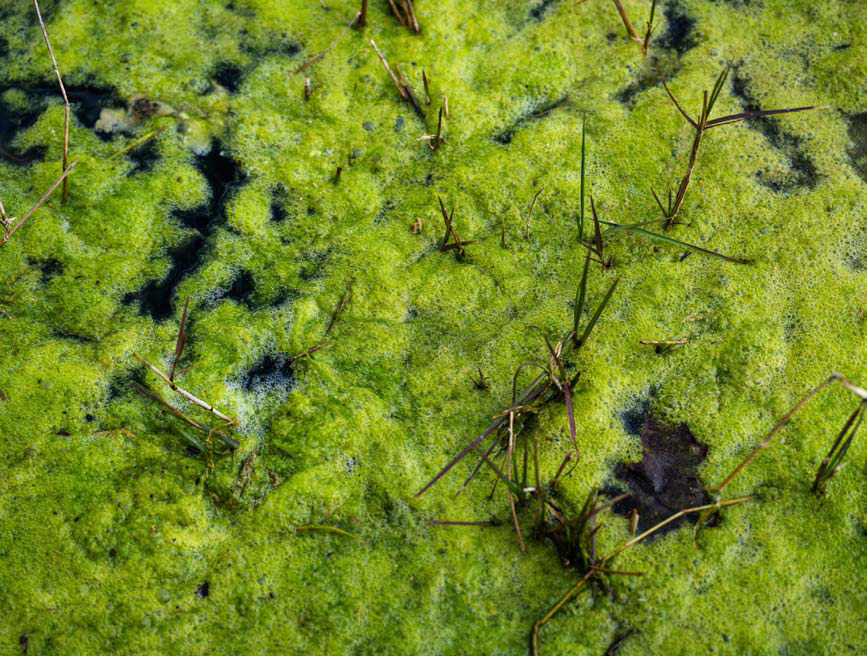
COURTESY PHOTO | ENGIN AKYURT - UNSPLASH Pond moss, a type of filamentous algae, is considered the number-one nuisance vegetation in ponds, according to pond maintenance specialist Brittany Chesser.
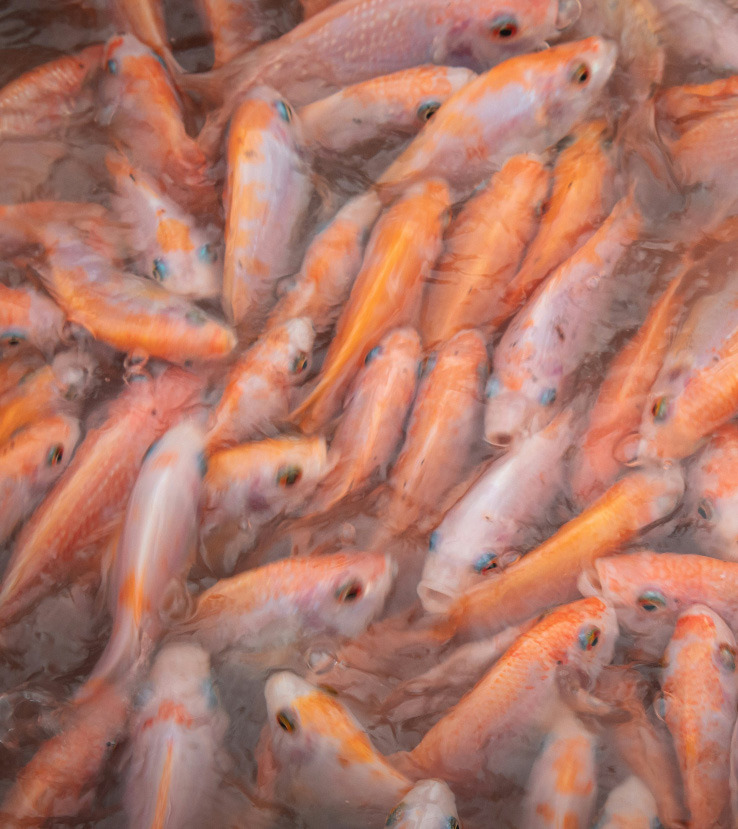
COURTESY PHOTO | MILO WEILER - UNSPLASH Tilapia can be used to manage aquatic vegetation. They are particularly effective at controlling filamentous algae, duckweed and azola, but approval from the TPWD is needed for pond stocking in Lampasas County.
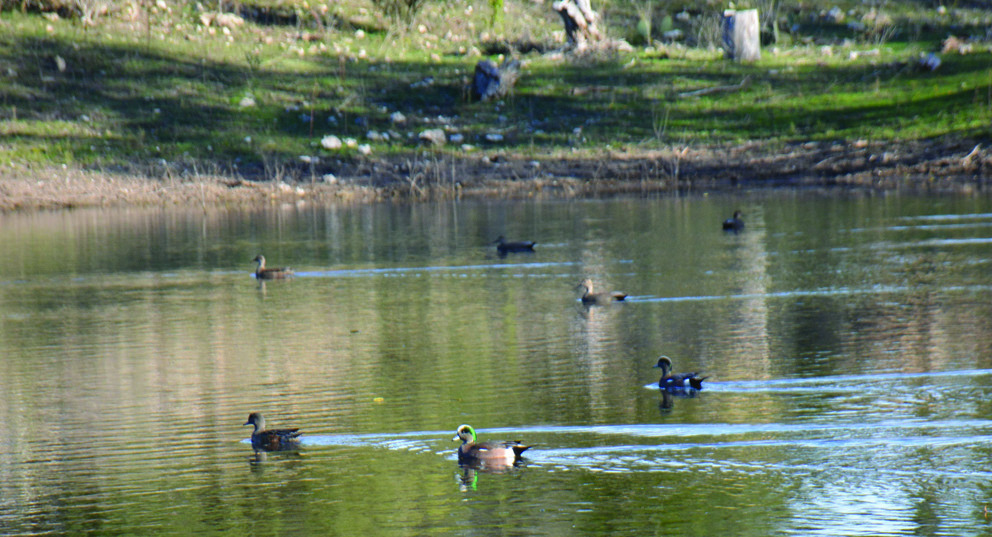
COURTESY PHOTO A healthy pond environment is not only beneficial for fish, but also waterfowl and livestock.
Brittany Chesser, an aquatic vegetation management program specialist with the Texas A&M AgriLife Extension Service, provided key pond management tips in a seminar this month in the Lampasas County annex conference room.
In her talk, Chesser provided details on physical, mechanical, biological and chemical controls to manage vegetation in ponds. Also, Chesser included tips on identifying vegeta…